Source Rackmount Storage Server Chassis for Data Centers
Find and compare 30 rackmount storage server chassis options tailored for enterprise data centers, edge computing nodes, and high-density storage arrays. Evaluate specifications including 1U, 2U, and 4U form factors, cooling systems, and backplane configurations to identify the most suitable hardware for your infrastructure needs.
Key considerations
Products List


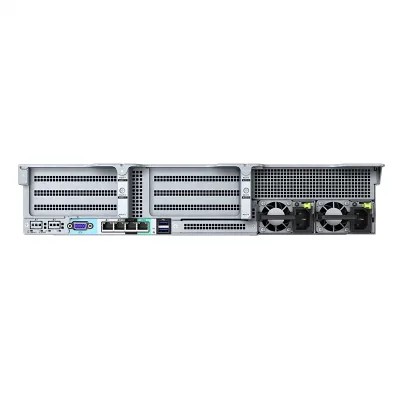


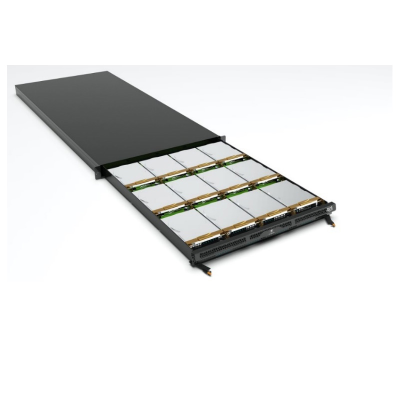


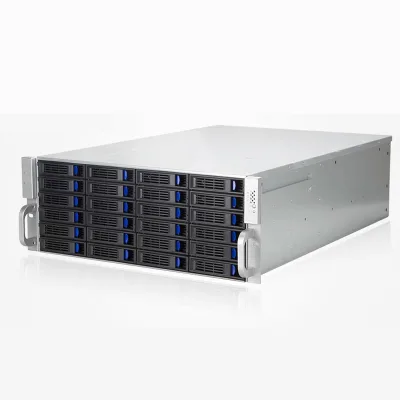


Comprehensive Sourcing Guide
Rackmount Storage Server Chassis Sourcing Guide
Procuring rackmount storage server chassis requires a disciplined approach to align hardware form factors with specific data center infrastructure needs. Buyers must first determine the appropriate rack unit height, as observed listings indicate availability in 1U, 2U, and 4U configurations. Each height offers distinct trade-offs between drive density and thermal management capabilities. A 1U chassis typically prioritizes space efficiency in high-density environments, while 4U units often accommodate more extensive cooling solutions and larger motherboard footprints. Understanding these physical constraints is the foundational step in selecting a chassis that fits within existing server racks without compromising airflow or accessibility for maintenance.
Beyond physical dimensions, the internal layout and backplane architecture dictate the storage scalability and performance potential of the system. Modern chassis designs support various backplane configurations, including SAS, SATA, and NVMe interfaces, which directly influence data transfer speeds and drive compatibility. Buyers should verify whether the chassis supports direct connection modes or requires specific controller cards to activate all drive bays. Additionally, the support for different motherboard standards, such as EEB, CEB, and ATX, ensures that the selected chassis can integrate with the intended computing hardware. This alignment prevents costly mismatches between the enclosure and the core processing components during assembly.
Product Scope and Observed Listing Signals
The market for rackmount storage server chassis presents a wide variance in pricing and minimum order quantities, reflecting the diversity of customization options and production scales. Observed price ranges span from entry-level standard units to high-end specialized enclosures, with minimum order quantities varying significantly based on whether the buyer seeks off-the-shelf inventory or bespoke manufacturing. This variability underscores the importance of defining procurement volume early in the sourcing process. Buyers seeking small batches may encounter higher per-unit costs, while those ordering in bulk can leverage economies of scale, particularly when requesting custom branding or specific front panel modifications.
Listing signals also reveal the extent of customization available from suppliers, ranging from logo engraving to complete chassis redesigns. Some providers offer standardized packing methods, such as double-layer box packaging with EPE foam, to ensure safe transit, while others provide industrial-grade solutions like plywood cases for heavy-duty shipping. These logistical details are critical for buyers managing fragile electronic components across international supply chains. Furthermore, the presence of specific model numbers and standard dimensions in listings helps buyers cross-reference physical requirements with supplier catalogs. Verifying these details against actual product specifications prevents discrepancies between ordered items and delivered goods, ensuring that the chassis meets the precise spatial and functional requirements of the deployment site.
Technical Specifications to Verify
Thermal management is a critical technical specification that directly impacts the longevity and reliability of storage servers. Buyers must verify the type and quantity of system fans included in the chassis, as observed listings highlight options ranging from hot-swappable 80mm and 120mm fans to specialized cooling modules. Adequate airflow design is essential for dissipating heat generated by high-density drive arrays and powerful processors. It is advisable to confirm whether the fan configuration supports redundancy, allowing for continued operation even if a single fan fails. Additionally, the chassis material, often steel or stainless steel, plays a role in structural integrity and heat dissipation, so verifying the gauge and finish ensures durability in demanding operational environments.
Drive bay configuration and expansion capabilities are equally vital technical considerations. The backplane design determines how many drives can be installed and how they connect to the system. Buyers should check if the chassis supports mixed drive types, such as a combination of SAS and SATA drives, and whether it accommodates NVMe storage for high-speed access. The number of supported GPUs and the specific motherboard form factors, such as EEB or ATX, must also align with the intended workload. Furthermore, front panel ports, including USB 3.0 interfaces, provide essential connectivity for local management and diagnostics. Ensuring that all these technical specifications match the project requirements prevents bottlenecks and ensures optimal system performance.
Compliance and Safety Documentation
Safety and regulatory compliance are non-negotiable aspects of sourcing industrial hardware, particularly for equipment deployed in enterprise data centers. Buyers should request documentation confirming that the chassis and its components meet relevant international standards for electrical safety and electromagnetic compatibility. While specific certifications may vary by supplier, common requirements include ISO 9001 for quality management systems and other industry-specific marks that verify adherence to rigorous manufacturing protocols. These certifications provide assurance that the production processes are controlled and consistent, reducing the risk of defects in the final product. Verifying these credentials early in the sourcing process helps mitigate compliance risks and ensures that the hardware can be legally deployed in target markets.
In addition to broad quality certifications, specific inspection protocols offer insight into the supplier’s commitment to product reliability. Some manufacturers perform 100% inspection before shipping, a practice that significantly reduces the likelihood of receiving defective units. Buyers should inquire about the scope of these inspections, including checks for structural integrity, fan functionality, and port connectivity. Furthermore, understanding the surface treatment processes, such as brushed finishes, can provide information about corrosion resistance and aesthetic durability. These details are particularly important for chassis deployed in harsh environments or those requiring long-term visual consistency. Requesting detailed compliance reports and inspection summaries allows buyers to make informed decisions based on verified quality assurance practices rather than marketing claims.
Cost Drivers and Commercial Terms
Several factors influence the total cost of ownership for rackmount storage server chassis, with customization being a primary driver. Standard, off-the-shelf models typically offer the most competitive pricing due to economies of scale in production. However, buyers requiring custom features, such as specialized front panels, unique logos, or specific mounting configurations, should anticipate higher unit costs and potentially longer lead times. The complexity of the customization, including the need for new tooling or modified assembly lines, directly impacts the commercial terms. It is essential to clarify whether tooling fees are one-time charges or amortized over the order volume, as this affects the overall budget for large-scale deployments.
Lead times and payment terms are also critical commercial considerations that affect procurement planning. Observed lead times can range significantly, with some suppliers offering rapid delivery for standard items while others require several weeks for customized orders. Buyers must align these timelines with their project schedules to avoid delays in deployment. Additionally, the minimum order quantity (MOQ) can influence pricing tiers and negotiation leverage. Understanding the supplier’s production capacity and inventory policies helps buyers structure orders efficiently. Clear communication regarding shipping methods, such as the use of pallets or plywood cases, also impacts logistics costs and insurance requirements, making it vital to include these details in the final commercial agreement.
Supplier Qualification and Quality Control
Evaluating supplier qualifications is essential to ensure a reliable partnership for sourcing rackmount storage server chassis. Buyers should assess the manufacturer’s production capabilities, including their machining methods and tolerance levels, which are critical for ensuring precise fit and assembly. Suppliers offering tight tolerances, such as +/-0.01mm, demonstrate a high level of manufacturing precision, which is vital for maintaining structural integrity and proper component alignment. Additionally, verifying the supplier’s experience with similar products and their ability to handle complex customization requests provides confidence in their technical expertise. A robust supplier base often includes those with established quality management systems and a track record of delivering consistent product quality.
Quality control processes during production and pre-shipment are key indicators of a supplier’s reliability. Buyers should inquire about the specific inspection protocols employed, such as 100% inspection before shipping, to ensure that every unit meets the agreed-upon specifications. This level of scrutiny helps identify and rectify defects before the products leave the factory, reducing the risk of field failures. Furthermore, understanding the supplier’s approach to material sourcing, such as the use of stainless steel or specific steel alloys, ensures that the chassis meets durability and performance expectations. Establishing clear quality benchmarks and requiring detailed quality reports from the supplier helps maintain high standards and fosters a transparent, trustworthy procurement relationship.
Long-Term Procurement Checks
Sustaining a successful procurement strategy for rackmount storage server chassis requires ongoing monitoring of supplier performance and product quality. Buyers should establish regular review cycles to assess delivery times, defect rates, and responsiveness to issues. This continuous evaluation helps identify potential supply chain risks and ensures that the supplier remains aligned with the buyer’s evolving needs. Additionally, maintaining open communication channels allows for timely resolution of any discrepancies or quality concerns. By tracking key performance indicators over time, buyers can make data-driven decisions about continuing or expanding their relationship with the supplier, ensuring long-term stability and reliability in their hardware supply chain.
As technology evolves, buyers must also consider the future-proofing of their chassis investments. This involves staying informed about emerging standards, such as new drive interfaces or cooling technologies, and assessing whether the current chassis designs can accommodate these advancements. Suppliers who offer flexible customization options and stay updated with industry trends are better positioned to support long-term procurement needs. Regularly revisiting technical specifications and compliance requirements ensures that the hardware remains relevant and effective in changing data center environments. By proactively addressing these long-term considerations, buyers can maximize the value of their investments and maintain a competitive edge in their operations.
FAQs
What cooling systems are available for these rackmount storage server chassis?
Air cooling is the standard system used for these rackmount storage server chassis units. Specific models feature multiple hot-swappable fans, such as four 8038 fans or combinations of 12025 and 8025 fans, ensuring efficient thermal management for high-density storage configurations.
Which rack unit sizes are supported by the available storage server chassis?
The product line supports multiple rack unit sizes including 1U, 2U, and 4U configurations. Buyers can select from models like the 1U unit with redundant power supply or the 4U chassis designed to support up to seven GPUs and extensive backplane connectivity options.
Can the front panel of the storage server chassis be customized?
Yes, customization is available for the front panel appearance and chassis logos. Specific options include 4U front panel customization and customizable hard drive bay front panel appearances, allowing buyers to tailor the physical interface to their specific branding or operational requirements.
What materials are used to construct these rackmount storage server chassis?
These chassis are primarily constructed from steel and stainless steel materials. The manufacturing process involves extrusion methods with tight tolerances of plus or minus 0.01mm, and surfaces often receive brushed treatments to ensure durability and professional aesthetics for data center environments.
How are these storage server chassis packaged for shipping?
Packaging options include EPE plus inner and outer box double layer packs or bubble bags with cartons and pallets. Some units use plywood cases for heavy-duty protection, ensuring the equipment arrives safely regardless of the specific model dimensions or weight.
What certifications do the manufacturers of these chassis hold?
Manufacturers hold ISO 9001, TS 16949, and SGS certifications for quality and safety. These standards ensure that the production processes meet rigorous international requirements, providing buyers with confidence in the reliability and consistency of the supplied rackmount storage server chassis components.
What is the typical lead time for ordering customized storage server chassis?
The typical lead time for these customized units ranges from 30 to 50 days. This duration accounts for the manufacturing complexity, material sourcing, and quality inspection processes required before shipping the finished rackmount storage server chassis to the buyer's specified location.